Australia’s Gas Export Policy Shift: Implications for Asia and Global Investors
Source: Free Malaysia Today
Australia’s New Gas Reserve Policy: A Strategic Shift
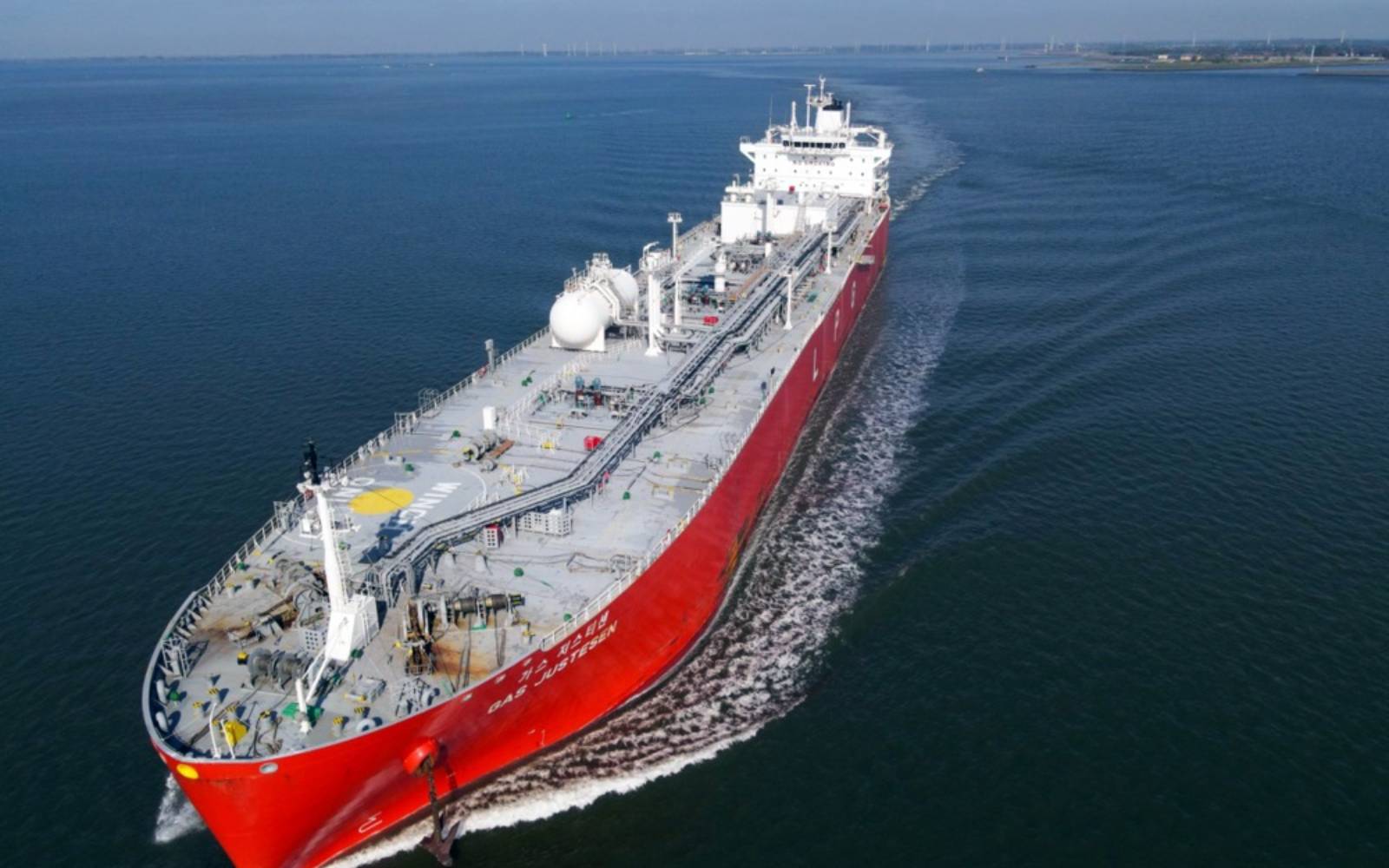
In a decisive move to shield its economy from global energy shocks, Australia has announced that major gas exporters will be required to reserve 20% of their liquefied natural gas (LNG) production for domestic consumption. This policy, unveiled by Energy Minister Chris Bowen, comes as the world grapples with heightened energy price volatility following geopolitical tensions in the Middle East. For expats, investors, and businesses in Thailand and across Asia, this development signals a new era in regional energy dynamics.
Why Is Australia Taking This Step?
Australia’s reliance on imported refined fuels and its limited refining capacity make it vulnerable to global supply disruptions. Recent military actions in the Middle East, particularly the closure of the Strait of Hormuz by Iran, have underscored the risks. With LNG prices in Asia spiking after US and Israeli strikes on Iran, Canberra is prioritizing energy security by ensuring more gas stays onshore.
- Energy Security: By mandating a domestic reserve, Australia aims to protect households and industries from international price swings and supply shortages.
- Market Stability: The policy is designed to stabilize domestic energy prices and reduce dependence on volatile global markets.
- Strategic Stockpiling: Complementing the reserve policy, Australia will also establish a national fuel stockpile of one billion litres.
Implications for Asia’s Energy Markets
Australia is a cornerstone of Asia’s LNG supply chain. For example, Japan sources around 40% of its LNG from Australia. The new policy, while not affecting existing export contracts, could limit the volume of spot or future LNG available to Asian buyers. This has several potential consequences:
- Supply Tightness: With less Australian LNG available for export, Asian importers may face tighter supply and increased competition for available cargoes.
- Price Volatility: Reduced supply from a major exporter could exacerbate price swings, especially during periods of geopolitical tension or peak demand.
- Investment Shifts: Energy companies and infrastructure investors may look to diversify supply sources or invest in alternative energy projects within Asia to hedge against future shortages.
Opportunities and Risks for Investors and Expats
For expats and investors in Thailand and the broader region, Australia’s policy shift presents both challenges and opportunities:
- Energy Sector Investments: Companies involved in LNG import terminals, storage, and distribution in Asia could see increased demand and investment interest.
- Renewables Push: As LNG supply tightens, governments and businesses may accelerate investments in renewable energy, energy storage, and efficiency technologies.
- Cost Pressures: Higher or more volatile energy prices could impact manufacturing, transport, and living costs, affecting expat budgets and business margins.
Australia’s Balancing Act: Assuring Partners
Recognizing the importance of its trading relationships, Australia has emphasized that the new reserve requirement will not disrupt existing export contracts. The government has engaged in consultations with key partners to maintain its reputation as a reliable supplier. This approach seeks to balance domestic needs with international obligations, but future contract negotiations may become more complex as buyers seek assurances of supply.
Looking Ahead: Strategic Considerations
For those living, working, or investing in Thailand and Asia, monitoring Australia’s evolving energy policies is crucial. The region’s energy landscape is becoming more interconnected and sensitive to global events. Diversification—both in terms of supply sources and energy types—will be key to managing risks and seizing new opportunities as the market adjusts to Australia’s policy shift.
Source: Free Malaysia Today
This article is provided for informational purposes only and does not constitute financial or legal advice. Information sourced from Free Malaysia Today may have been edited for clarity. Always verify details with official sources before making any decisions.
Related Articles

Mayon Volcano’s Renewed Activity: Implications for Investors and Expats in the Philippines
Mayon Volcano's ongoing eruptions and ash emissions present both immediate risks and long-term considerations for investors and expatriates in the Philippines, particularly in the Bicol region. This analysis explores the economic, real estate, and infrastructure impacts, as well as potential opportunities arising from the situation.