Asian Stocks Surge to Record Highs: What Expats and Investors Need to Know Amid Middle East Peace Hopes
Source: Free Malaysia Today
Asian Markets Rally on Peace Prospects
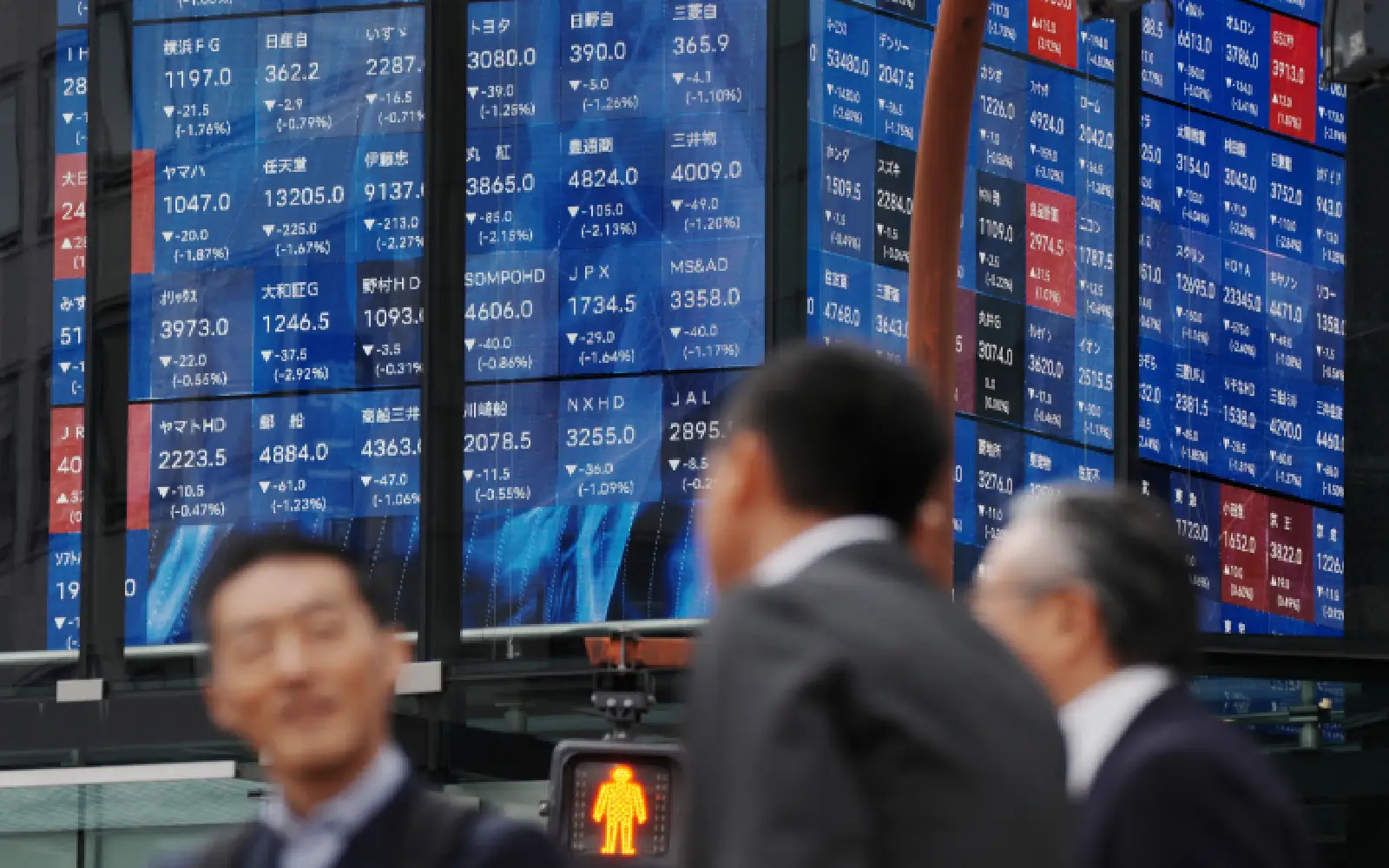
Asian stock markets have reached new heights, buoyed by growing optimism surrounding a possible peace agreement in the Middle East. The MSCI Asia-Pacific index (excluding Japan) climbed 1% to a fresh all-time high, while Japan’s Nikkei broke through the 62,000 mark for the first time after a holiday hiatus. This surge reflects both relief over geopolitical developments and a robust earnings season, especially in the technology sector.
Geopolitical Uncertainty: Strait of Hormuz Remains a Wild Card
Despite the market’s enthusiasm, the situation in the Middle East is far from fully resolved. While Iran is reportedly reviewing a peace proposal that could formally end the war, critical issues remain—most notably, the status of the Strait of Hormuz. This strategic chokepoint, vital for global oil shipments, has been a source of volatility since the conflict began in February. Although oil prices fell nearly 8% on the prospect of peace, they remain about 40% higher than pre-conflict levels, underscoring persistent risks for energy-dependent economies.
Implications for Expats and Investors in Thailand
For expats and investors in Thailand, these developments present both opportunities and challenges:
- Equity Market Momentum: The regional rally, led by Japan, South Korea, and Taiwan, has positive spillover effects for Southeast Asian markets, including Thailand. Investors may find renewed confidence in local equities, particularly in sectors linked to technology and exports.
- Currency Volatility: The US dollar has weakened against major currencies, while the Japanese yen remains in focus amid speculation of intervention. For expats managing cross-border finances or investors with USD exposure, this volatility could impact returns and remittance strategies.
- Energy Prices and Inflation: Elevated oil prices continue to pose inflationary risks. Thailand, as a net oil importer, faces potential cost pressures that could affect both consumer prices and corporate margins. The Bank of Thailand and policymakers may need to balance inflation control with growth support.
- Interest Rate Outlook: Higher US Treasury yields and concerns about sustained inflation may influence central bank policies across Asia. Investors should monitor local interest rate trends, as these will affect borrowing costs, property markets, and fixed-income investments.
Global Earnings and Risk Appetite
Strong earnings from US technology giants have fueled risk-on sentiment globally, with the S&P 500 and Nasdaq reaching new records. This positive backdrop supports capital inflows into Asian equities, but investors should remain vigilant. As one analyst noted, markets have seen similar optimism before, only for sentiment to reverse quickly if peace talks falter or inflationary pressures persist.
What to Watch Next
- Progress in Middle East Negotiations: Any concrete resolution regarding the Strait of Hormuz could further stabilize energy markets and support risk assets.
- US Economic Data: The upcoming non-farm payrolls report will be closely watched for signs of labor market strength or weakness, influencing global risk appetite and currency movements.
- Central Bank Responses: How the Federal Reserve and Asian central banks react to evolving inflation and growth dynamics will shape investment strategies for the rest of 2026.
For expats and investors in Thailand, the current environment underscores the importance of diversification, active monitoring of geopolitical risks, and a flexible approach to currency and asset allocation. While the rally in Asian stocks is encouraging, prudent risk management remains essential in a world where peace deals and policy shifts can quickly alter the investment landscape.
Source: Free Malaysia Today
This article is provided for informational purposes only and does not constitute financial or legal advice. Information sourced from Free Malaysia Today may have been edited for clarity. Always verify details with official sources before making any decisions.
Related Articles

Mayon Volcano’s Renewed Activity: Implications for Investors and Expats in the Philippines
Mayon Volcano's ongoing eruptions and ash emissions present both immediate risks and long-term considerations for investors and expatriates in the Philippines, particularly in the Bicol region. This analysis explores the economic, real estate, and infrastructure impacts, as well as potential opportunities arising from the situation.