Asean’s Energy Crisis: Implications and Opportunities for Expats and Investors
Source: Free Malaysia Today
The Energy Crisis: A Defining Moment for Asean
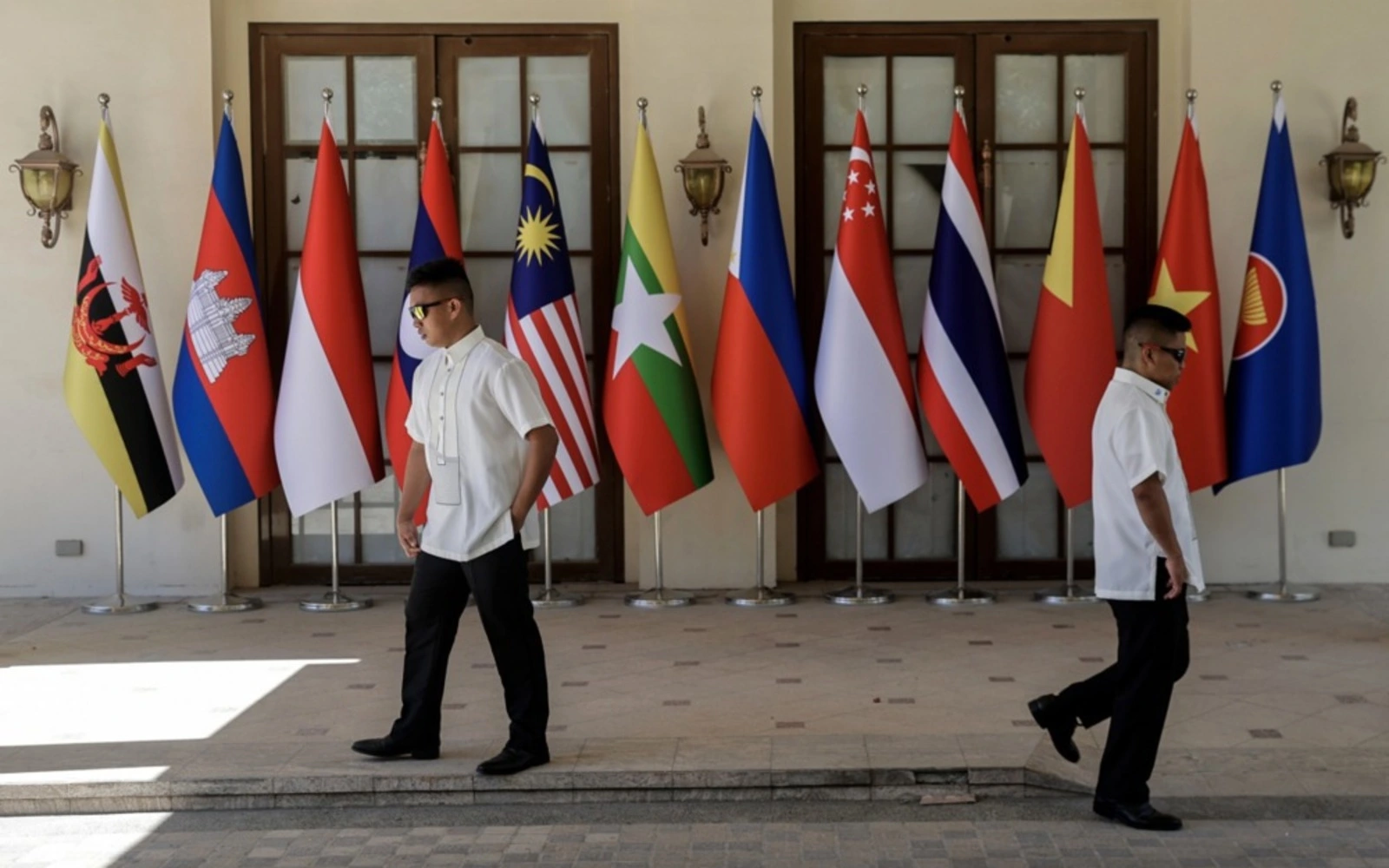
The upcoming Asean summit in Cebu is taking place against the backdrop of a global energy crisis, triggered by escalating conflict in the Middle East. For Thailand and its Southeast Asian neighbors—many of whom are heavily reliant on imported fuel—this crisis is more than a temporary shock; it is a catalyst for long-term economic and strategic recalibration.
Economic Fallout: Risks for Import-Dependent Economies
With nearly 700 million people across the 11-member Asean bloc, the region’s dependence on energy imports has become a critical vulnerability. The disruption of oil supplies from the Middle East has forced countries to seek alternative sources, driving up costs and threatening economic stability. For Thailand, which imports the majority of its energy, this means higher fuel prices, increased inflationary pressures, and potential slowdowns in key sectors such as manufacturing and tourism.
Key risks for investors and expats include:
- Rising operational costs for businesses, especially those reliant on transportation and logistics.
- Currency volatility as higher import bills weigh on trade balances.
- Inflationary pressures impacting consumer spending and real estate markets.
Regional Response: Cooperation and Competition
The crisis is testing Asean’s ability to coordinate a unified response. The Philippines, as summit chair, is pushing for the ratification of an oil-sharing framework—an initiative that could enhance regional energy security and reduce exposure to external shocks. Such frameworks, if implemented effectively, may offer investors greater predictability and stability in the medium term.
However, the summit’s agenda is crowded. Ongoing crises in Myanmar and unresolved disputes in the South China Sea compete for attention, making it challenging to achieve breakthroughs on energy cooperation. As a result, investors should watch for incremental progress rather than sweeping agreements.
Geopolitical Shifts: US-China Rivalry and New Alignments
The energy crisis is also accelerating geopolitical realignments. With the US preoccupied by conflicts elsewhere, China is positioning itself as a more reliable partner for Southeast Asia, supplying energy-related inputs and raw materials. This dynamic could have significant implications for foreign investment flows, trade patterns, and the regulatory environment in Thailand and the wider region.
- China’s influence may grow, particularly in infrastructure and energy sectors.
- US engagement could become more transactional, focused on strategic rather than economic interests.
- Regulatory risks may increase as Asean states balance competing external pressures.
Opportunities Amid Uncertainty
Despite the challenges, the current crisis is also creating new opportunities for investors and expats:
- Renewable energy projects are likely to attract increased government and private sector support as countries seek to diversify away from imported fossil fuels.
- Regional supply chain investments may benefit from efforts to localize production and reduce exposure to global shocks.
- Infrastructure upgrades in energy storage, grid modernization, and cross-border connectivity could open up new markets for technology and engineering firms.
What to Watch: Strategic Takeaways for Expats and Investors
As Asean leaders navigate this complex landscape, expats and investors in Thailand should:
- Monitor policy developments on energy cooperation and supply diversification.
- Assess exposure to sectors most affected by fuel price volatility.
- Explore opportunities in renewables, energy efficiency, and infrastructure.
- Stay alert to shifting geopolitical dynamics that could impact regulatory and investment environments.
In summary, while the energy crisis poses significant risks, it is also prompting Asean to accelerate reforms and regional integration. For those prepared to navigate the volatility, Thailand and its neighbors may offer compelling opportunities in the years ahead.
Source: Free Malaysia Today
This article is provided for informational purposes only and does not constitute financial or legal advice. Information sourced from Free Malaysia Today may have been edited for clarity. Always verify details with official sources before making any decisions.
Related Articles

Mayon Volcano’s Renewed Activity: Implications for Investors and Expats in the Philippines
Mayon Volcano's ongoing eruptions and ash emissions present both immediate risks and long-term considerations for investors and expatriates in the Philippines, particularly in the Bicol region. This analysis explores the economic, real estate, and infrastructure impacts, as well as potential opportunities arising from the situation.