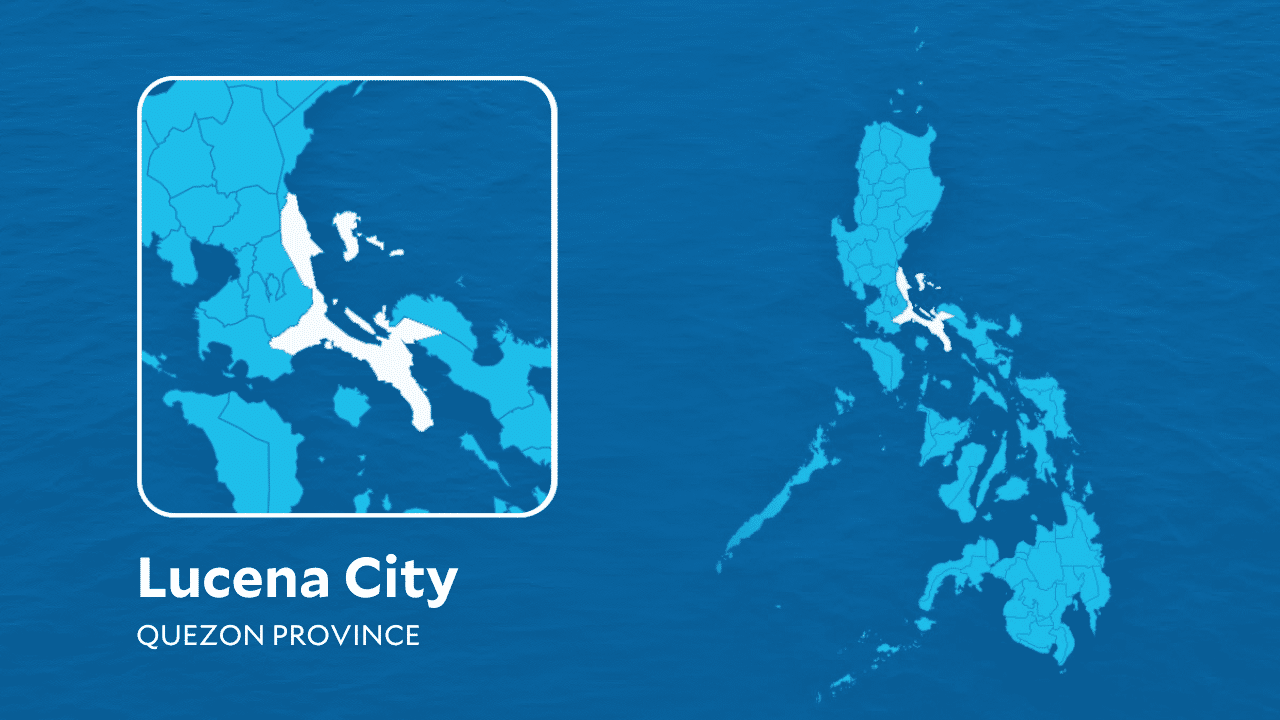
Community Watchdogs: A New Layer of Assurance for Infrastructure Investment in Quezon
Source: Inquirer
Grassroots Oversight: A Shift in Infrastructure Assurance
In the rural municipality of Mulanay, Quezon, a new approach to infrastructure monitoring is taking shape. Local representatives—27 barangay officials and community members—have been trained to oversee the construction of a 15.33-kilometer farm-to-market road. This initiative, spearheaded by the Department of Agriculture–Philippine Rural Development Project (DA-PRDP) in Region IV-A, signals a noteworthy shift in how infrastructure quality and transparency are managed in provincial Philippines.
Why This Matters for Investors and Expats
For investors and expats considering opportunities in the Philippines, infrastructure reliability and project integrity are perennial concerns. Delays, substandard work, and corruption can undermine returns and disrupt business operations. The Mulanay project’s community watchdog model offers a potential blueprint for mitigating these risks, especially in sectors like agribusiness, logistics, and real estate that depend on rural connectivity.
Key Features of the Community Monitoring Model
- Local Empowerment: Training barangay officials and residents creates a sense of ownership and accountability at the grassroots level.
- Transparency: Community monitors are tasked with reporting irregularities, ensuring that issues are flagged early and addressed promptly.
- Capacity Building: The program includes technical training, equipping locals with the skills to assess construction quality and compliance with standards.
Potential Benefits for the Investment Climate
- Reduced Project Risk: Early detection of construction flaws or mismanagement can prevent costly overruns and reputational damage.
- Enhanced Social License: Projects with visible community involvement are more likely to gain local support, reducing the risk of opposition or disruption.
- Replicability: If successful, this model could be scaled to other regions, improving the investment landscape across rural Philippines.
Challenges and Considerations
While promising, the approach is not without hurdles. Community monitors may face pressure from local contractors or political actors, and sustaining engagement over the project’s lifecycle requires ongoing support. Additionally, the effectiveness of such programs depends on the quality of training and the responsiveness of government agencies to community feedback.
Strategic Insights for Investors and Expats
- Due Diligence: When evaluating projects, inquire about community oversight mechanisms as a marker of transparency and risk management.
- Stakeholder Engagement: Building relationships with local leaders and community groups can provide valuable intelligence and facilitate smoother project execution.
- Long-Term Perspective: Infrastructure projects with robust monitoring are more likely to deliver sustained value, supporting both business operations and property values.
Conclusion
The Mulanay farm-to-market road project’s community watchdog initiative is a significant experiment in participatory governance and infrastructure assurance. For expats and investors, it offers a window into evolving best practices in the Philippine development sector—where local empowerment and transparency are becoming central to project success and investment security.
Source: Inquirer
This article is provided for informational purposes only and does not constitute financial or legal advice. Information sourced from Inquirer may have been edited for clarity. Always verify details with official sources before making any decisions.